Brahma kamal
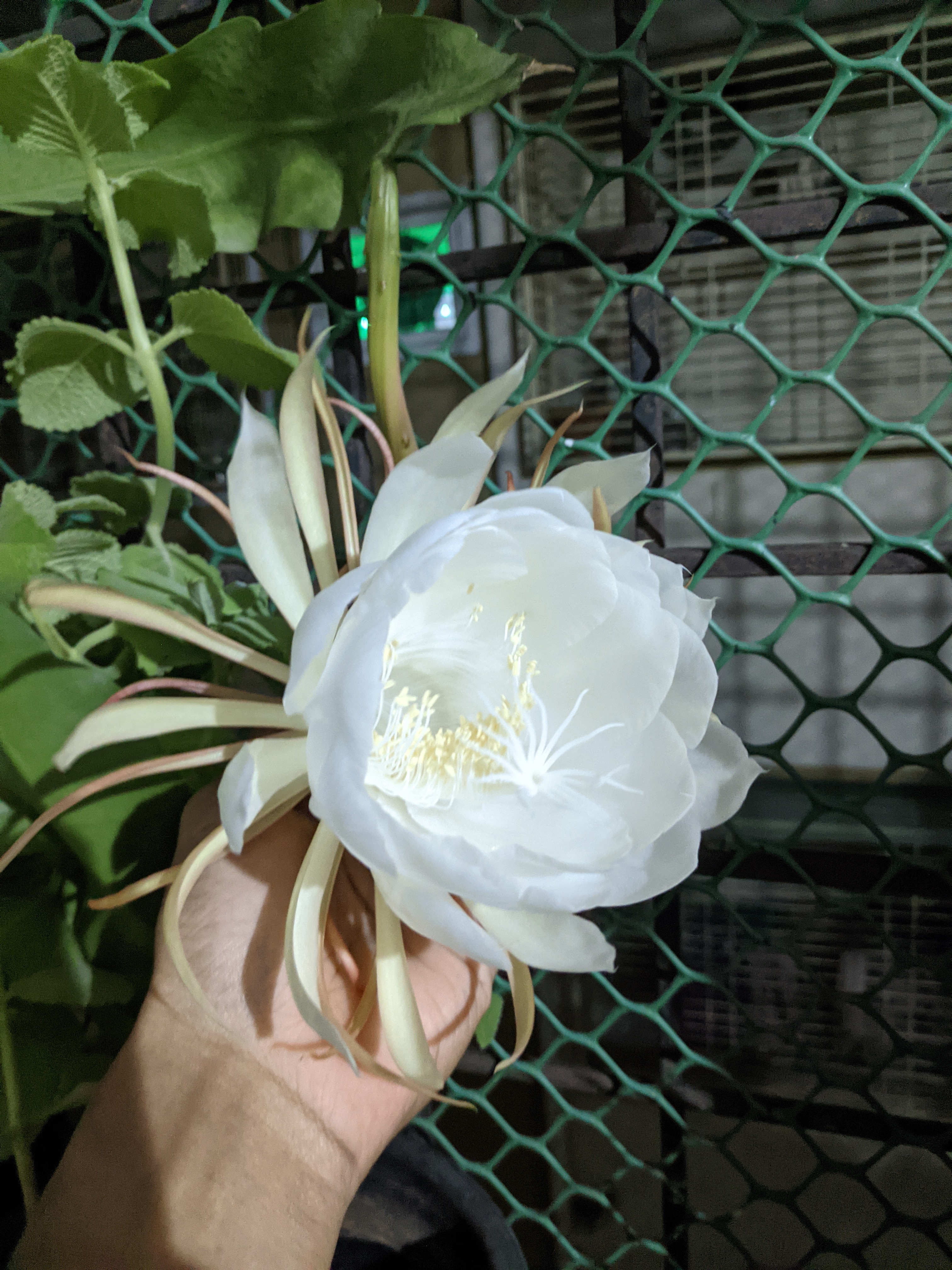
Saussurea obvallata often known by the Brahma Kamal in the Indian subcontinent, is a flowering plant that is native to the himalayan and alpine regions, especially in India, bhutan and other surrounding countries near the Tibetian plateau.
Some facts about Brahma kamal
Saussurea obvallata is a perennial growing flower, meaning the plant lasts more amount of time, say 2+ years, compared to Annuals which only remain for an year. The plant can grow upto a lot actually, in our home it stand at 2 ft right now. It is a plant whose flowers have both female and male organs which are to be pollinated by insects.
One of many unique things about this plant is that, it doesnt have branches. So the leaves keep growing from other leaves, which act as branches to them. Also the leaves are so thick for this reason that, if not maintained in a big spacious pot, it might be inclined to one direction and might even fall down.
The flowers blossom around august to september or late july, which is during the monsoons. More rains would be a great happy news for this plant, as it thrives in such situations. The flowers look like start twinkling from afar. Also another unique thing is that this flower opens up at night and closes right before early morning. So you only have one night to enjoy the look, feel and scent of this plant. So, yeah pretty unique thing there for a flower to greet us only one night. Also it releases a really good fragrance in its surroundings which smells really good.
The plant is called brahma kamal in India, referring to Brahma, the God of Creation. Also it is called as Night blooming Cereus which means Queen of the night, as it only blooms for one night. It is used to worship Lord Shiva in his temples around Uttarakhand. The most popular ones would be Badrinath and Kedarnath.
The plant also has a pretty high medicinal value. It is helpful in treating acnes, coughs and also healing cuts and wounds as it has few antiseptic properties.
Brahma kamal plant care
Light
The plant can tolerate direct sunlight, but frequent changing of positions can really halt the growth of the plant. Make sure to put it in a position where it can receive direct morning sun or indirect afternoon sun ( inside a filter or something ).
Watering
Being a succulent it demands less water like the entire genus. The plant leaves also store water, so it can retain water from its leaves. So only water the plant when the soil dries up. As I always say, touch the soil to check if the soil feels dried up( feels like a hard stone ). Also sprinkling the plant can also be good, but not constantly, weekly once would be better. You do not need to do this in monsoons while you have rains.
Fertilizers
The plant should be fertilized during or before the growing season, that is summer to monsoon, which we call as spring. General Cow manure and Vermi-Compost will do great job and enhance the plant blooms.