Snake plant care guide
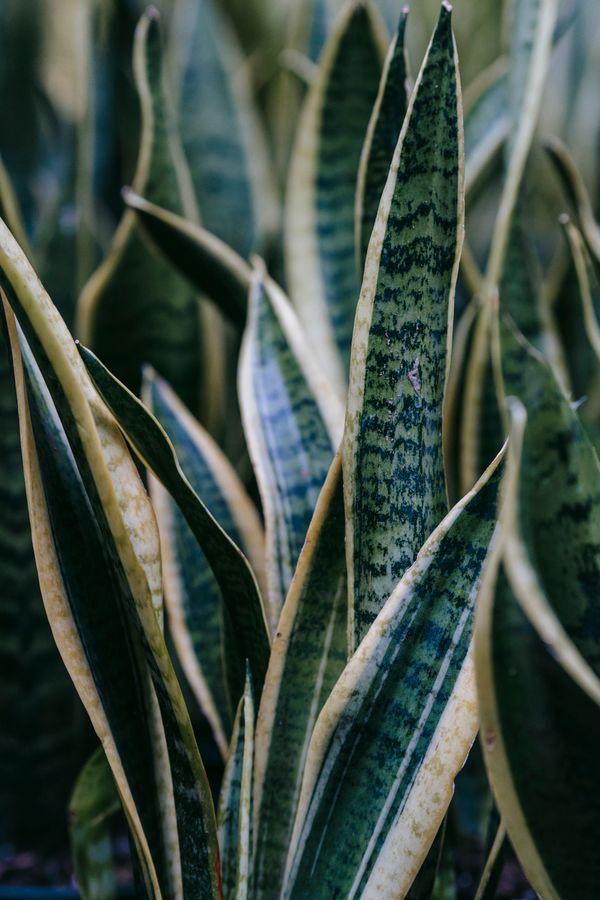
Ok, this blog might be a little long, because I have a lot to say about snake plants. Staring with its origin, it is called Dracaena trifasciata, and it is one of the toughest and easiest plants to grow indoors. The plant has tall 5 - 6 inches of thick green colored leaves which have different patterns depending on the types. Not to confuse, all the types need to maintained in the same way. The plant is named Snake plant due to these leaves, which resemble the shape of a snake. Talking about the types, there are two types, one with yellow border and green filled inside and the other with white patches among the green leaf which are mostly horizontal. The plant is really slow growing as I heard, and also experienced with it. I currently have 3 snakes in my home, I mean, snake plants so I will share how I considered growing this plant correctly considering the situations and how you should too, if you have one. Also Snake plant is my favourite plant in all of my plant parent experiences. I had really unique experiences starting from cutting and propagating the leaves, which literally made me so proud when I started to see the plant develop its roots and respond so well. As I said I have 3 snakes plants in my home, two of them grew from the propagated leaf, which to me is really and achievement.
Light
Snake plants thrive in very bright light, so if you place them outdoors they will grow fine, but too much of afternoon sun, especially during summers can damage the leaves (dry them out). Although the leaves are pretty sturdy, it does not look good. Also the plant is so crazy strong that it can even manage dim lighting conditions too. There are plants which work well in direct bur droop in indirect sunlight, and there are ones which work well in indoors and not in direct sunlight(something like peace lily), but snakes give you a choice to choose where you place them. Choose wisely..
Watering
You can mostly resemble Aloe veras while you think of watering intervals of snake. Because just like Aloes, snakes too do not require constant watering. Actually, watering it daily might make the leaves turn yellow which will come out eventually. When this is the case, remove the leaf which became soggy and soft, cut it so it would not affect other leaves, cuz the leaves are what the plant is. Anyway, look for the soil to become extremely dry, like stone literally, and do not worry, the plant will not die with underwatering, infact it thrives while underwatering. Overwatering might kill the plant. It is a bit odd, but it is what it is.
Soil
Generally snake plants prefer well draining soil potting mix, sand like soil. You can use the same potting mix that you use for your Aloe Vera, if you have one. Otherwise remember to add 30% peat, 65% soil, 5% neem powder. Or you can go 30:70 ratio too. But remember, if you use cocopeat, check the soil thoroughly before watering, because cocopeat stores the water to keep the plant moist and again too much watering can, you guessed it, damage the plant.
Temperature and Humidity
Snakes love warm temperature, again, I meant snake plants. They will thrive in temperatures above 25-30 degrees. If the temperature is less than 20-15 degrees, very much in winter, make sure to keep your plant indoors, protecting the from the cold winds.
Pruning
Snake plants very much welcome pruning. If you feel like the leaf is too tall, or is not balanced in your small pot, then consider cutting the leaf right in middle. It is recommended to cut the leaf in a diagonal pattern. I will tell you why in the next paragraph. Prune the leaves which turned yellow or dried out. This will encourage new leaf growth. Do so maily during the summer, cuz that is the growing season for snake plants.
Propagating Snake plant
Here comes my favourite part, propagating. I had a really great time propagating snake plant. Althought it is very easy, propagating snake plant and repotting it to grow another one made me feel proud as a plant parent, for the first time. Propagating it could not get easy :
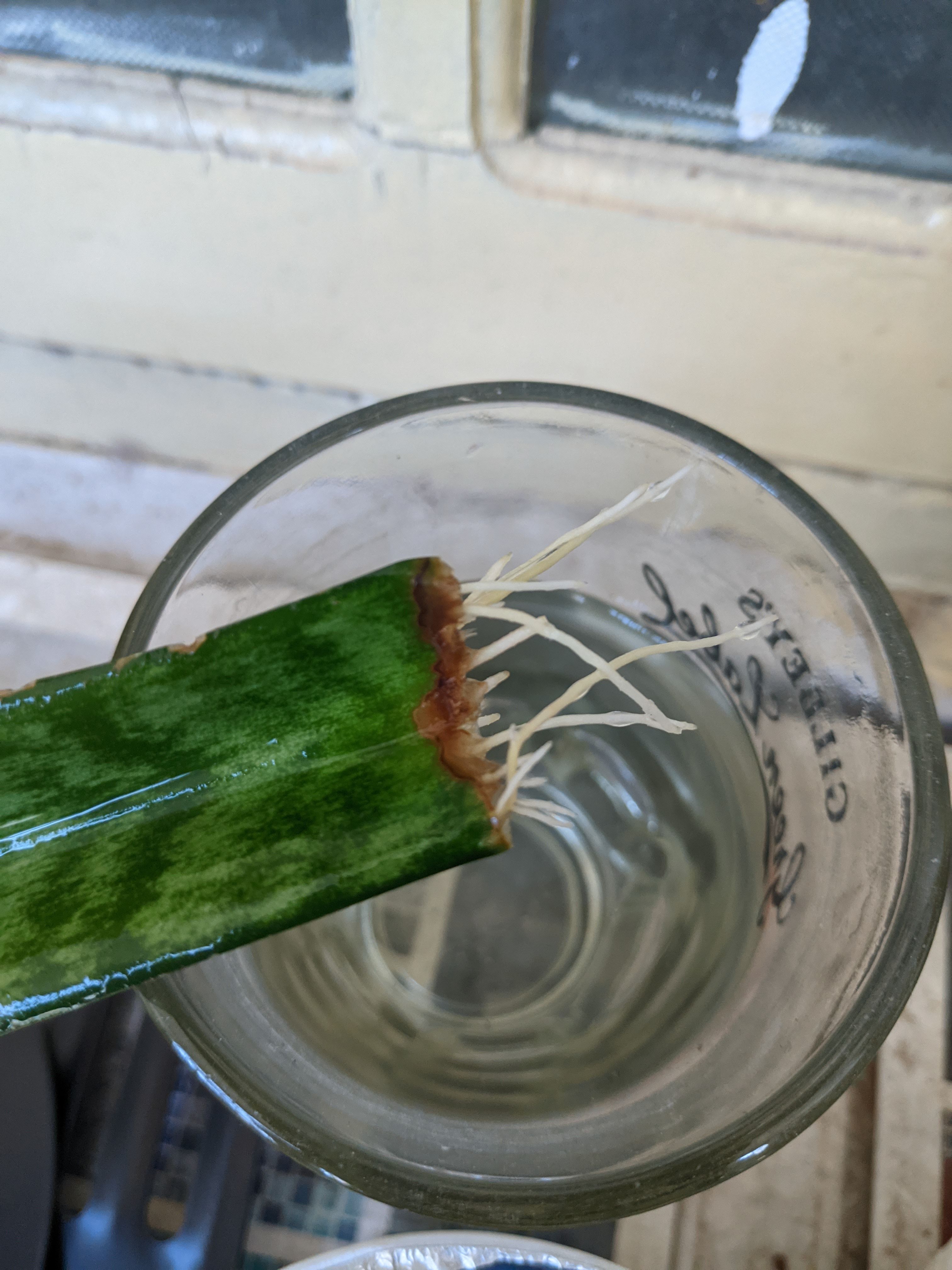
- Cut the leaf right at the bottom end node of the leaf or at the half.
- Make sure to do it diagonally because, if you propagate it in water, you want the leaf to stand or be inclined in a bent position in your bowl or glass or whichever you place it in . It will not make a difference if you are propagating in soil though.
- If you are propagating in water then fill a glass or bowl with tap water and place the leaf inside it. You can even sprinkle some lemon at first, but do not do it again and again as it might make the water too acidic. The roots will slowly start to grow. Change the water if it is dusty every week. Once a bunch of roots grew, then repot the leaf in a small pot, wait for the roots to give you another big leaf, which, inturn will grow into another plant eventually.
- If you are thinking of propagating in soil, then place the leaf cutting in a mixture of cocopeat and soil mix. Water it frequetly when the soil gets dried. New leaves will start to grow from those routes.
Common problemsAlthough Snake is generally and easy growing plant, it is still prone to few issues that indoor plants suffer , say leaf tip burn , or insects like mealy bugs spider termites might make home in it.
Care or Solution If you find the problem early enough, it is better to spray neem oil on the affected area, neem oil is the one ingredient that you can spray and use on any type of plant. Not only does is remove and doesnot allow any further pest or insect build up, but it also does not cause any side effect on the plant or harm the plant.
Care or Solution If you find the problem early enough, it is better to spray neem oil on the affected area, neem oil is the one ingredient that you can spray and use on any type of plant. Not only does is remove and doesnot allow any further pest or insect build up, but it also does not cause any side effect on the plant or harm the plant.
A Small tip
Also if the pests do not go away and the problem still persists even after spraying in neem oil everyday constantly, it is better to remove that portion of leaf, or the entire leaf, so that it does not spread to other leaves and eventually to the entire plant. You can even remove the leaves which are good(not affected) and repot them in a new pot to be safe.